Nutrition
A Mindful Plant-Based Table for Living with Vitiligo
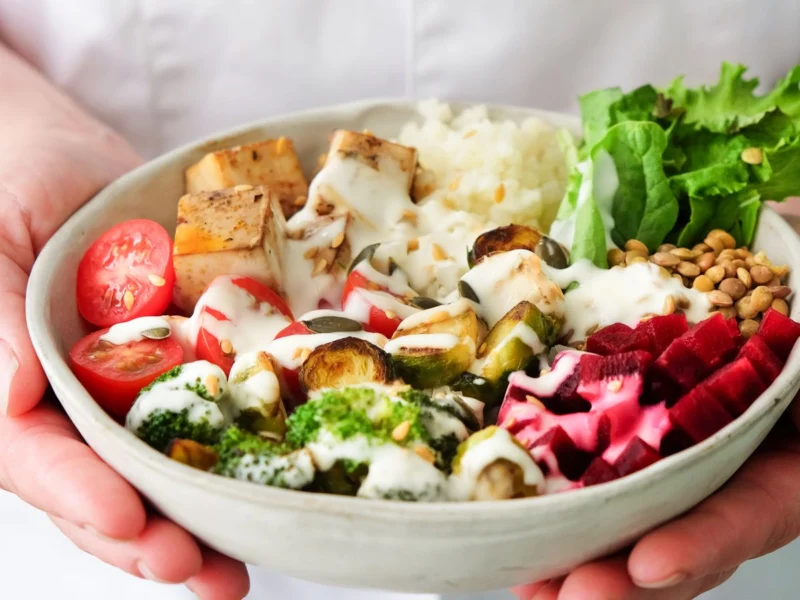
Discover the beauty of a plant-based diet with seasonal ingredients to support wellbeing while living with vitiligo.
Discover Tibetan vegetarian kitchen traditions, focusing on tsampa, barley, and seasonal vegetables, while embracing a healthy lifestyle with vitiligo.
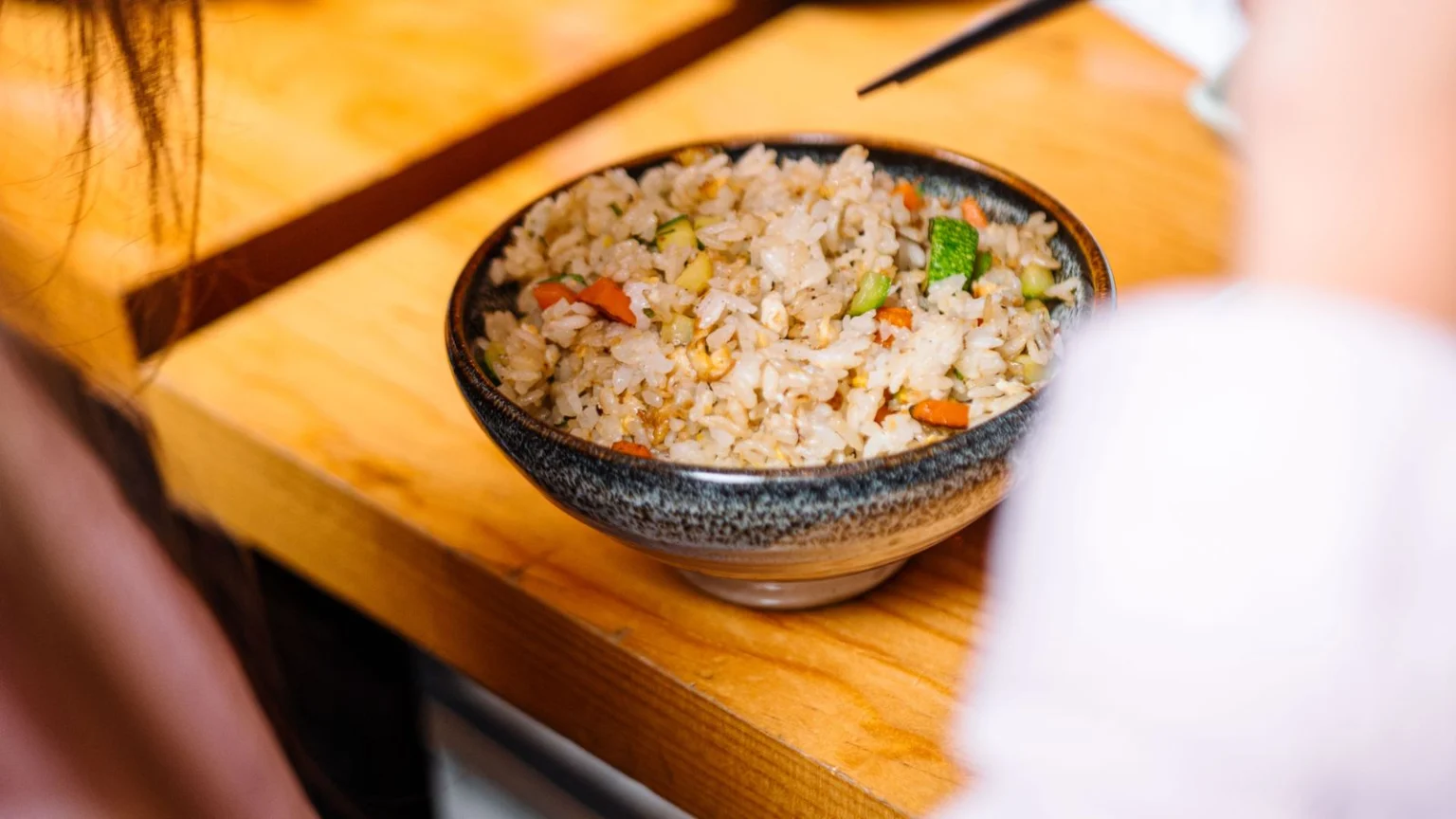
Living with vitiligo often encourages individuals to explore various aspects of health and wellbeing, including nutrition. One interesting tradition is the Tibetan vegetarian kitchen, which highlights nourishing foods like tsampa, barley, and seasonal vegetables that can support overall health and comfort in daily life with vitiligo.
Tibetan cuisine is rich in wholesome ingredients that can be easily incorporated into a vegetarian diet. By exploring these culinary traditions, you can discover delicious and nutritious ways to enjoy meals, while also fostering a sense of community and connection with others who share similar experiences with vitiligo.
Tsampa, a traditional Tibetan food made from roasted barley flour, is a versatile ingredient that can be enjoyed in various ways. It is often mixed with water or tea to create a comforting porridge-like consistency, providing a nourishing base for meals. For those living with vitiligo, tsampa can serve as a great source of energy and nutrition, making it an excellent addition to a vegetarian diet.
In addition to its nutritional benefits, tsampa is easy to prepare and can be adapted to suit individual tastes. You can add seasonal vegetables, nuts, or fruits to enhance its flavour and texture. This adaptability makes it a perfect choice for anyone looking to maintain a balanced diet while managing vitiligo, as it encourages creativity in the kitchen and caters to personal preferences.
Eating tsampa can also be a communal experience, as it is often shared during gatherings or family meals in Tibetan culture. Sharing food and traditions can foster a sense of connection, which is particularly important for individuals living with vitiligo, as building a supportive community can significantly contribute to emotional wellbeing.
Barley is a staple grain in Tibetan cooking, known for its high nutritional value and health benefits. As a whole grain, barley is rich in fibre, vitamins, and minerals, making it an excellent choice for those who want to support their overall wellbeing while living with vitiligo. Incorporating barley into meals can help maintain energy levels and promote digestive health.
There are many ways to enjoy barley, such as in soups, stews, or as a side dish. You can also use it in salads or as a base for grain bowls, combined with fresh seasonal vegetables and legumes. This versatility allows for a variety of meals that can be tailored to your taste, making it easier to stick to a healthy vegetarian diet.
When preparing barley, consider cooking it in vegetable broth to enhance its flavour. This can create a comforting dish that not only nourishes the body but also soothes the mind. For individuals living with vitiligo, enjoying satisfying meals can contribute to a sense of calm and stability in daily life.
In Tibetan cooking, seasonal vegetables play a significant role in creating vibrant and nourishing dishes. Eating with the seasons not only supports local agriculture but also ensures that you are consuming fresh, nutrient-dense produce. For those living with vitiligo, incorporating a variety of seasonal vegetables can contribute to a well-rounded diet and promote overall wellbeing.
When selecting vegetables, aim for a colourful assortment to maximise nutrient intake. Root vegetables, leafy greens, and cruciferous vegetables can all be easily incorporated into Tibetan-inspired dishes. Roasting, steaming, or stir-frying these vegetables can enhance their flavours and make them more enjoyable to eat.
By focusing on seasonal produce, you can also create a deeper connection to your food and the environment. This mindfulness can be particularly beneficial for individuals living with vitiligo, as it encourages a thoughtful approach to nutrition and promotes a sense of calm and balance in daily life.
The act of preparing and enjoying food can have a profound impact on mental and emotional wellbeing. For individuals living with vitiligo, engaging in mindful cooking and eating practices can help cultivate a sense of peace and stability. Embracing Tibetan vegetarian traditions allows for a deeper appreciation of the nourishing qualities of food, which can positively influence daily life.
Sharing meals with friends, family, or community members can also foster connection and support, essential for those navigating life with vitiligo. By creating a welcoming atmosphere around meal times, you can enhance the overall experience of eating and promote feelings of belonging and acceptance.
Incorporating traditional Tibetan dishes into your meal planning can be a delightful way to explore new flavours while prioritising your health. This practice not only nourishes the body but also nurtures the mind, helping to create a balanced approach to living with vitiligo.
Food has the unique ability to bring people together, creating bonds and fostering relationships. For individuals living with vitiligo, building a community around shared meals can be a powerful way to connect with others who understand the challenges of this condition. Exploring Tibetan vegetarian traditions can serve as a wonderful starting point for these connections.
Hosting or attending potluck-style gatherings where everyone brings a vegetarian dish can be an enjoyable way to share culinary experiences. This not only allows for the exchange of recipes but also encourages conversations about living with vitiligo and supporting one another in this journey.
In these community settings, individuals can share their stories, learn from each other, and develop friendships. This sense of belonging can positively impact mental health and overall wellbeing, creating a supportive environment for those navigating life with vitiligo.
Consult a dermatologist or GP for personalised advice on managing vitiligo. They can guide you on the best practices for your skin health and overall wellbeing.
This article offers general wellbeing information, not medical advice. For personal health concerns, speak with a qualified healthcare professional.
Discover the beauty of a plant-based diet with seasonal ingredients to support wellbeing while living with vitiligo.
Simple ideas for colourful vegetarian dinners: variety, mindful meal planning and hydration, written for everyday wellbeing with vitiligo.
Where vegetarians with vitiligo get protein at lunchtime (legumes, grains, nuts and seeds) plus the vitamins and minerals that keep a balanced day.
Leave a Reply