Nutrition
Exploring Tibetan Vegetarian Traditions for Vitiligo Wellness
Discover Tibetan vegetarian kitchen traditions, focusing on tsampa, barley, and seasonal vegetables, while embracing a healthy lifestyle with vitiligo.
Discover the beauty of a plant-based diet with seasonal ingredients to support wellbeing while living with vitiligo.
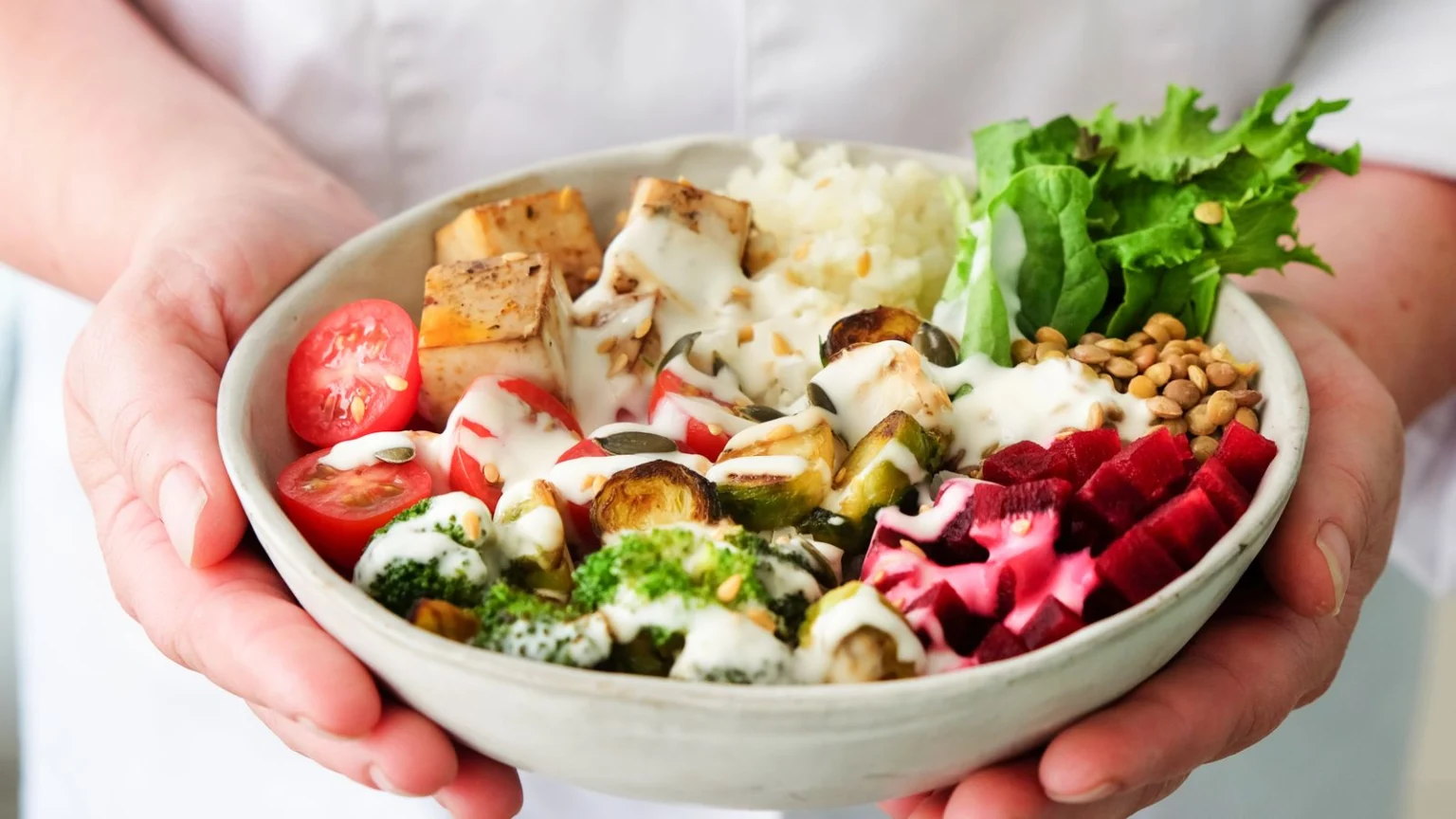
Living with vitiligo can encourage a thoughtful approach to nutrition, especially when it comes to choosing a plant-based diet. Mindful eating not only supports overall wellbeing but also allows individuals to explore a variety of colourful and seasonal ingredients that can enhance their meals and contribute positively to their lifestyle.
Incorporating diverse textures and flavours into a plant-based table can be a delightful experience. By focusing on seasonal ingredients, people with vitiligo can enjoy a vibrant diet that promotes a sense of community and sharing, ultimately helping to build confidence and calmness in their day-to-day lives.
When planning meals, the visual appeal of colour and texture can significantly enhance the dining experience. A plate full of vibrant colours not only looks inviting but also indicates a variety of nutrients that can support overall health. For those living with vitiligo, enjoying meals that are visually appealing can also boost confidence and provide an opportunity for self-expression.
Incorporating ingredients such as leafy greens, colourful vegetables, and fruits in various forms can create a delightful array of textures. Crunchy raw veggies, creamy dips, and hearty legumes can come together to form a satisfying meal. This variety can help keep meals interesting and enjoyable, making it easier to stay committed to a nourishing plant-based lifestyle.
Furthermore, the act of preparing meals with attention to colour and texture can be a mindful practice. Taking time to appreciate the ingredients and their qualities can foster a deeper connection to the food, promoting a sense of calm and grounding for those living with vitiligo.
Eating with the seasons is a wonderful way to enhance the flavours and nutritional quality of meals. Seasonal ingredients are often fresher, tastier, and more affordable, making them an ideal choice for anyone looking to maintain a healthy diet. For those living with vitiligo, seasonality can also mean a wider variety of local produce, fostering a sense of community and supporting local farmers.
Planning meals around what’s in season encourages creativity in the kitchen. It can be exciting to discover new recipes or adapt familiar ones to include seasonal fruits and vegetables. This approach not only adds variety but also ensures that meals remain dynamic and enjoyable, which can be beneficial for overall wellbeing and stress management.
Additionally, seasonal eating often aligns with environmental sustainability. By choosing to consume locally-grown produce, individuals can contribute to reducing their carbon footprint. This mindful choice can provide a sense of purpose and satisfaction, enhancing the overall experience of living with vitiligo.
Mindful eating involves paying attention to the experience of eating, including the flavours, textures, and sensations of food. For individuals living with vitiligo, this practice can help cultivate a positive relationship with food. It encourages individuals to savour each bite, promoting a greater appreciation for the nourishment that meals provide.
By taking the time to eat mindfully, individuals can also become more aware of their body’s hunger and fullness cues. This awareness can help in making informed choices about portion sizes and food selections, leading to a more balanced diet that supports overall health. Mindful eating can be particularly beneficial for those managing the emotional aspects of living with vitiligo.
Creating a peaceful environment for meals can enhance the mindful eating experience. Setting the table thoughtfully, eliminating distractions, and perhaps sharing meals with loved ones can help foster a supportive atmosphere. This sense of connection can be particularly comforting for those navigating the challenges of vitiligo.
Food often brings people together, and sharing meals can create a sense of belonging and community. For those living with vitiligo, participating in communal meals can provide emotional support and foster connections with others who understand their experiences. This sharing of plant-based meals can be a wonderful way to celebrate the beauty of diversity in food and life.
Preparing and sharing meals with friends and family can also be an opportunity to introduce others to vegetarian dishes, showcasing the variety and richness of plant-based eating. This not only enhances the social aspect of meals but also contributes to building a positive narrative around food choices and lifestyle.
Involving others in meal prep can be a fun and engaging way to explore new recipes and ingredients. It can turn cooking into a shared experience, allowing individuals with vitiligo to feel supported and empowered in their dietary choices while creating lasting memories with loved ones.
Incorporating a plant-based diet doesn’t have to be overwhelming. Start by gradually adding more fruits, vegetables, whole grains, and legumes into your meals. This approach allows you to explore new flavours and textures without feeling pressure to make drastic changes all at once. For those living with vitiligo, this gradual transition can make it easier to adapt to a new eating style.
Consider meal planning as a way to ensure you are consuming a balanced variety of ingredients. Creating a weekly menu can help you stay organised and can prevent last-minute unhealthy food choices. This practice encourages thoughtful decisions about which ingredients to include, promoting a nutritious diet that supports overall wellbeing.
Lastly, don’t forget to stay hydrated. Water is essential for everyone, and maintaining good hydration can benefit skin health and overall vitality. Carrying a reusable water bottle can serve as a reminder to drink throughout the day, helping to keep you refreshed and focused on your wellbeing journey.
A dermatologist or GP can provide guidance on managing vitiligo and addressing any skin-related concerns. Regular check-ins with a healthcare professional are essential for ongoing support.
This article offers general wellbeing information, not medical advice. For personal health concerns, speak with a qualified healthcare professional.
Discover Tibetan vegetarian kitchen traditions, focusing on tsampa, barley, and seasonal vegetables, while embracing a healthy lifestyle with vitiligo.
Simple ideas for colourful vegetarian dinners: variety, mindful meal planning and hydration, written for everyday wellbeing with vitiligo.
Where vegetarians with vitiligo get protein at lunchtime (legumes, grains, nuts and seeds) plus the vitamins and minerals that keep a balanced day.
Leave a Reply