
Meditation
Mindful Breathing for Living Well with Vitiligo
Learn how mindful breathing can support emotional wellbeing and self-acceptance for those living with vitiligo.
Explore how Tibetan Buddhist art can inspire mindfulness and calm for those living with vitiligo. Discover practices for emotional wellbeing.
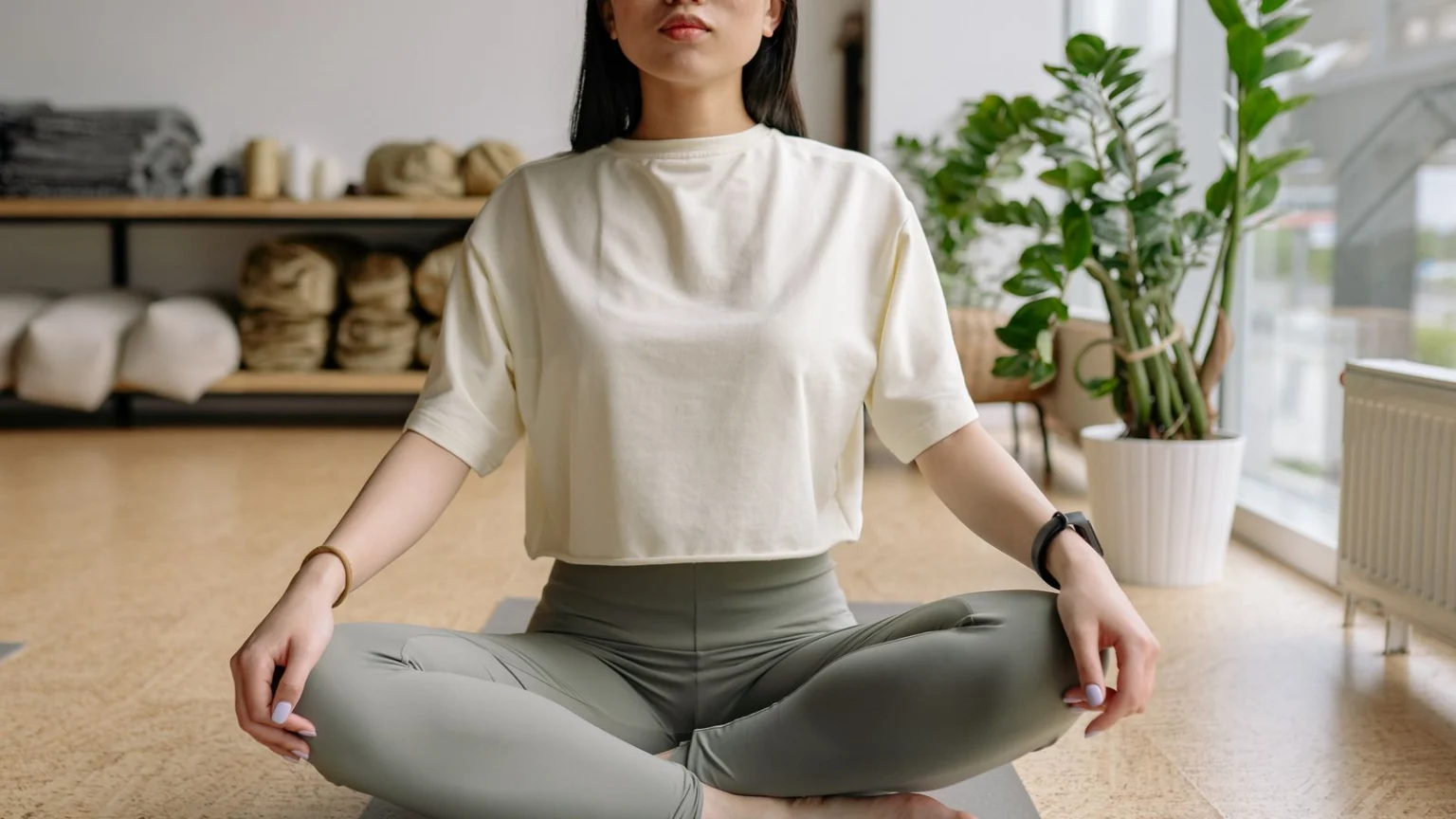
Living with vitiligo can bring about a range of emotions, from self-consciousness to stress. Finding ways to navigate these feelings is essential for maintaining emotional wellbeing. One source of inspiration comes from Tibetan Buddhist art, which embodies principles of mindfulness and calm that can be particularly beneficial for those managing the challenges of vitiligo.
Tibetan Buddhist art invites a quiet attention that encourages reflection and acceptance. By engaging with this art form, individuals living with vitiligo can cultivate a deeper understanding of their emotions and develop a more compassionate relationship with themselves. This article explores how Tibetan Buddhist art can serve as a powerful tool for fostering calm and mindfulness in daily life.
Tibetan Buddhist art is rich in symbolism and meaning, often depicting serene figures and intricate mandalas. These artworks encourage viewers to pause and reflect, promoting a sense of tranquillity. For someone living with vitiligo, engaging with such art can provide a moment of calm amidst the daily stresses they might face. The intricate details and vibrant colours invite a slower, more mindful observation that can help ground emotions.
The themes of compassion and acceptance prevalent in Tibetan art resonate with the journey of living with vitiligo. This art encourages not only the appreciation of beauty but also the acceptance of imperfection, which can be particularly helpful for those grappling with feelings of self-doubt or insecurity. By contemplating these artworks, individuals can learn to embrace their unique beauty and view their vitiligo as part of their story.
Incorporating moments of engagement with Tibetan Buddhist art into daily routines can create a space for mindfulness. Whether visiting a gallery, browsing books, or exploring online collections, these experiences can inspire a sense of peace. The art serves as a reminder to be present, fostering a gentle acceptance of oneself that can ease the emotional burden sometimes associated with vitiligo.
Inspired by the calmness of Tibetan Buddhist art, mindfulness practices can help individuals with vitiligo cultivate a sense of peace. One approach is to create a quiet space to sit and focus on the artwork, allowing thoughts to come and go without judgment. This practice can provide a momentary escape from the pressures of daily life, encouraging relaxation and emotional balance.
Another practice involves visualisation techniques. By imagining oneself within a piece of Tibetan art, one can experience the serenity it conveys. This can be particularly grounding during challenging moments, helping individuals to connect with feelings of tranquillity and acceptance. Such visualisation can serve as a tool for managing stress and fostering a positive self-image.
In addition, incorporating simple breathing exercises while contemplating art can enhance the mindfulness experience. Focusing on the breath while observing the colours and shapes of the artwork can help anchor attention and calm the mind. This combination of art and mindful breathing can be a powerful way to cultivate emotional wellbeing amidst the challenges of living with vitiligo.
Establishing a personal ritual that incorporates Tibetan Buddhist art can enhance the experience of mindfulness for those living with vitiligo. This could involve setting aside time each week to engage with a specific piece of art, whether through meditation, reflection, or even creative expression. Making this a regular practice can help build resilience against stress and foster a more positive self-image.
Including elements such as soft lighting, calming music, or fragrant candles can enhance the ritual, creating a serene environment that promotes relaxation. These sensory experiences can deepen the engagement with the art and support a tranquil mindset. By making these rituals personal, individuals can create a safe space for self-acceptance and emotional stability.
Additionally, sharing this practice with others can foster a sense of community and support. Whether through art classes, group discussions, or online forums, connecting with others who appreciate Tibetan Buddhist art can provide encouragement and understanding. This communal aspect can be invaluable for those navigating the emotional landscape of living with vitiligo.
Community plays a crucial role in the journey of living with vitiligo. Engaging with others who share similar experiences can provide support and encouragement. Whether through local meetups or online platforms, connecting with a community can foster a sense of belonging and understanding. This connection can be vital for individuals seeking to cultivate calm and acceptance in their lives.
In addition to sharing personal experiences, community members can also explore Tibetan Buddhist art together. Group visits to galleries, shared discussions about the art, or collaborative mindfulness practices can enhance the sense of connection. Such activities can create a shared space for reflection and support, reinforcing the emotional wellbeing of all involved.
Furthermore, community engagement can inspire individuals to explore their creative expressions through art. Encouraging each other to create art inspired by Tibetan themes can be a powerful way to process emotions and share personal journeys. This collaborative creativity can help reinforce confidence and foster a sense of pride in living authentically with vitiligo.
Living with vitiligo often involves navigating feelings of self-acceptance and emotional resilience. Mindfulness practices, inspired by Tibetan Buddhist art, offer a pathway to embrace one’s unique beauty. By cultivating a gentle awareness of thoughts and emotions, individuals can learn to respond to challenges with compassion rather than self-criticism. This shift in perspective can be empowering.
Engaging with Tibetan art can reinforce the appreciation of individuality, reminding individuals that beauty comes in many forms. The practice of mindfulness allows for a deeper understanding of oneself and fosters a sense of calm that can mitigate the impact of external pressures. This acceptance is a vital part of living well with vitiligo and can lead to a more fulfilling daily experience.
Ultimately, embracing vitiligo through mindfulness is about learning to navigate life with greater ease and acceptance. By incorporating the inspiration of Tibetan Buddhist art into daily routines, individuals can cultivate a mindset that promotes emotional wellbeing and resilience. This journey of self-discovery and acceptance is an ongoing process, one that can be enriched by community support and personal reflection.
A dermatologist can provide guidance on managing vitiligo and addressing skin care concerns. Regular check-ups with a healthcare professional are essential for ongoing support.
This article offers general wellbeing information, not medical advice. For personal health concerns, speak with a qualified healthcare professional.
Learn how mindful breathing can support emotional wellbeing and self-acceptance for those living with vitiligo.
A grounding meditation that uses breath and the senses to steady difficult feelings, plus tips to build a supportive daily practice with vitiligo.
A five-minute body scan for hard days with vitiligo: follow your breath and notice your feelings without judgment, even when your skin is on…
Leave a Reply