Movement
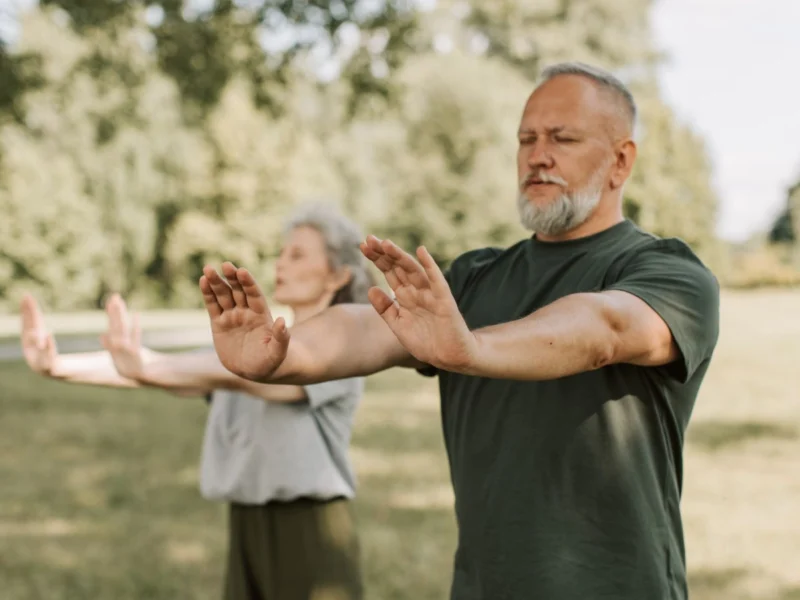
Gentle Tai Chi Weight Shifting for Beginners with Vitiligo
Gentle Tai Chi-inspired weight shifting for beginners with vitiligo: better balance and mobility, lower stress, and sun-aware tips for practising outdoors.
Explore basic yoga balance poses that promote stability and focus, tailored for those living with vitiligo. Enhance your practice with gentle movements.
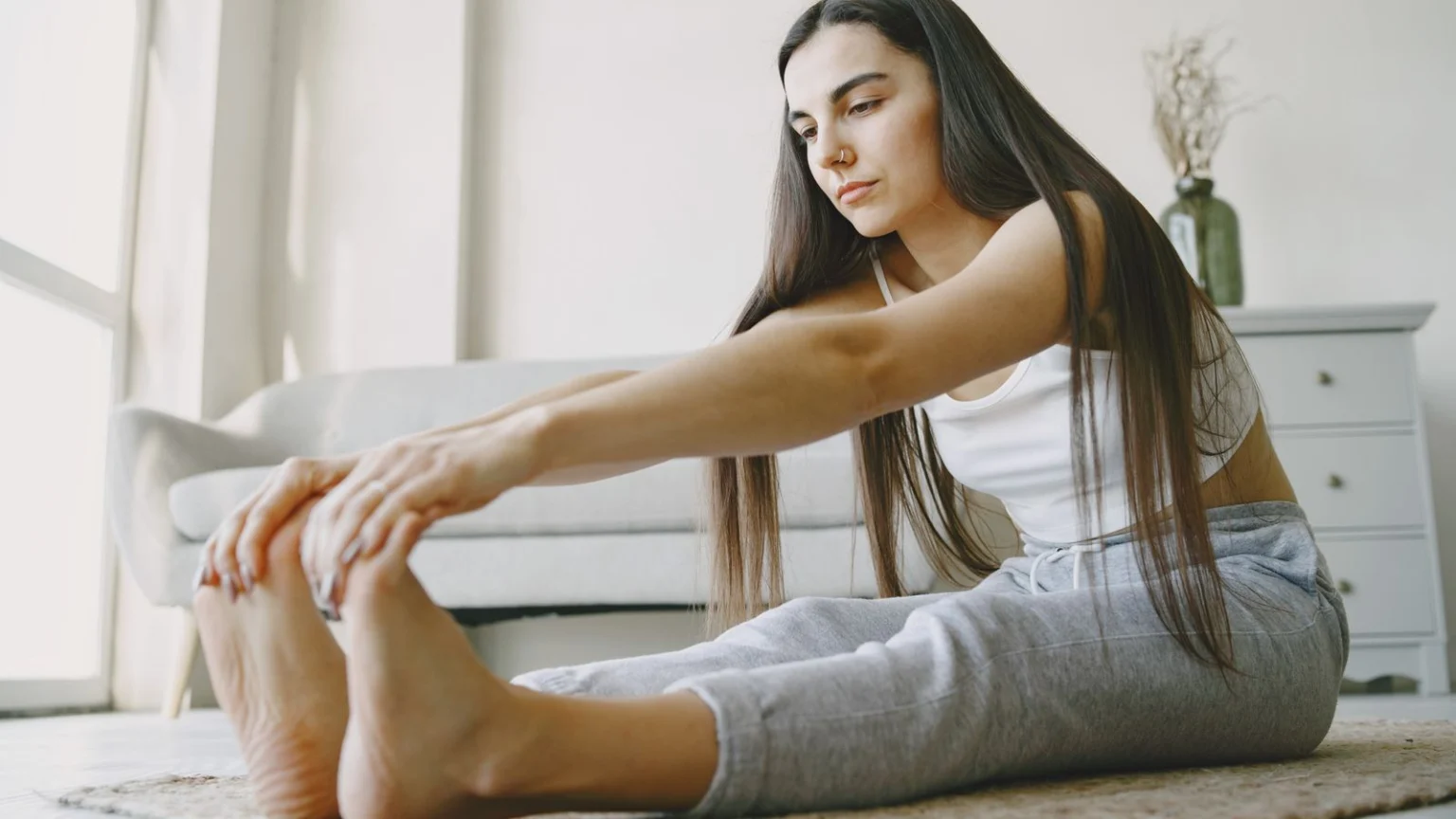
Living with vitiligo can bring unique challenges, and finding ways to maintain physical and mental well-being is essential. Incorporating gentle yoga balance poses into your routine can provide stability and focus, helping you cope with daily stresses while nurturing your body and mind.
Yoga is a wonderful practice that encourages mindfulness and body awareness, which can be particularly beneficial for those managing vitiligo. Balance poses not only improve physical stability but also foster a sense of calm and confidence that can help you navigate life with vitiligo more easily.
Balance poses are a vital component of yoga that can enhance both physical strength and mental clarity. For individuals living with vitiligo, these poses can be especially beneficial as they encourage focus and mindfulness, qualities that help in managing the emotional aspects of the condition. When you practice balance poses, you cultivate a better connection with your body, which can be empowering.
Moreover, improving your balance can significantly reduce the risk of falls and injuries, which is essential for everyone, particularly for those with vitiligo who may be more sensitive to skin injuries. A steady practice of balance poses can help you feel more grounded and stable, making daily activities easier and more enjoyable.
By incorporating balance poses into your yoga routine, you can also foster a community spirit. Engaging in yoga classes or group sessions offers the chance to connect with others who understand the journey of living with vitiligo, creating a supportive environment that nurtures both your physical and emotional well-being.
One of the simplest balance poses to begin with is the Tree Pose (Vrksasana). Start by standing tall with your feet together. Shift your weight onto one leg and place the sole of the opposite foot on the inner thigh or calf of the standing leg. This pose not only helps improve balance but also encourages focus and concentration, reminding you to stay present in your body.
Another effective pose is the Warrior III (Virabhadrasana III). From a standing position, shift your weight onto one leg, and extend the other leg straight back while reaching your arms forward. This pose strengthens the entire body while enhancing balance and stability, which can be particularly supportive for those navigating life with vitiligo.
Lastly, consider the Half-Moon Pose (Ardha Chandrasana). Begin in a standing position and shift your weight onto one leg. As you extend the other leg out to the side, place one hand on the ground or a block while reaching the opposite arm up. This pose invigorates the body and improves balance, making you feel more connected and stable in your movement.
When practicing yoga, especially if you have vitiligo, creating a safe and comfortable environment is crucial. Ensure that your practice area is free from hazards that could lead to slips or falls. A stable mat can provide grip and support as you move through poses, allowing you to focus more on your balance and less on slipping.
Additionally, consider the temperature of your practice space. A comfortably warm room can help your muscles relax, which is beneficial when attempting balance poses. Being mindful of your comfort can enhance your experience and encourage you to engage regularly in your practice.
Lastly, always listen to your body during your practice. If a pose feels uncomfortable or causes stress, modify it or take a break. Your well-being is the priority, and a gentle approach to your yoga practice can help maintain a positive relationship with your body, especially while living with vitiligo.
Integrating mindfulness and breath awareness into your yoga practice can enhance the effects of balance poses. As you hold a pose, focus on your breath, inhaling deeply and exhaling slowly. This practice can help calm your mind and reduce stress, which is essential for those living with vitiligo who might experience anxiety related to their skin condition.
Mindful breathing not only supports relaxation but also encourages a deeper connection to your body. As you become more aware of your breath, you may find it easier to maintain balance in your poses. This connection can foster a greater sense of confidence and calmness, vital for daily life with vitiligo.
To deepen your practice, consider setting an intention for your yoga session. This could be something related to your journey with vitiligo, such as self-acceptance or embracing your individuality. Setting intentions can transform your practice into a personal journey, allowing you to explore your feelings and thoughts while finding balance.
Participating in a yoga community can provide invaluable support for individuals living with vitiligo. Many yoga studios offer classes tailored to various skill levels and needs, creating an inclusive atmosphere where everyone can feel comfortable. Practicing alongside others can foster camaraderie and reduce feelings of isolation that sometimes accompany skin conditions.
In a community setting, you can share your experiences and learn from others who understand the challenges of living with vitiligo. This shared understanding can lead to meaningful connections that enhance your overall well-being and confidence. Many find that discussing their experiences in a supportive environment can be empowering.
Moreover, group classes often introduce you to new techniques and practices that can enrich your yoga journey. Engaging with instructors who are knowledgeable about different needs can help you tailor your practice to suit your lifestyle, ensuring that you feel supported in your journey with vitiligo.
Consult with a dermatologist or GP for guidance on managing vitiligo and its impact on your skin. They can provide personalised advice tailored to your specific needs.
This article offers general wellbeing information, not medical advice. For personal health concerns, speak with a qualified healthcare professional.
Gentle Tai Chi-inspired weight shifting for beginners with vitiligo: better balance and mobility, lower stress, and sun-aware tips for practising outdoors.
Gentle morning joint-mobility moves for people with vitiligo: wake up the body, ease stiffness and start the day calmly, with less stress.
Easy desk stretches for people with vitiligo: ease neck, shoulder and back tension during a busy workday and keep stress lower, no equipment needed.

Leave a Reply