Nutrition
A Mindful Plant-Based Table for Living with Vitiligo
Discover the beauty of a plant-based diet with seasonal ingredients to support wellbeing while living with vitiligo.
Discover how to create a versatile vegan pantry that supports easy, healthy cooking for daily life with vitiligo.
Living with vitiligo means adapting to a long-term autoimmune condition that requires attention to both skin health and overall wellbeing. One way to support this is through mindful cooking, which can be made easier by building a well-stocked vegan pantry. Having a variety of ingredients on hand not only simplifies meal preparation but also encourages healthier eating habits that contribute to your sense of calm and stability in daily life.
A practical vegan pantry can help you embrace cooking as a joyful part of your routine while being mindful of your skin’s needs. By choosing ingredients that nourish your body and are easy to prepare, you can make cooking a seamless experience, even on busy weekdays. Remember, while your dermatologist will guide you on managing vitiligo, your food choices can play a role in your overall wellbeing and confidence.
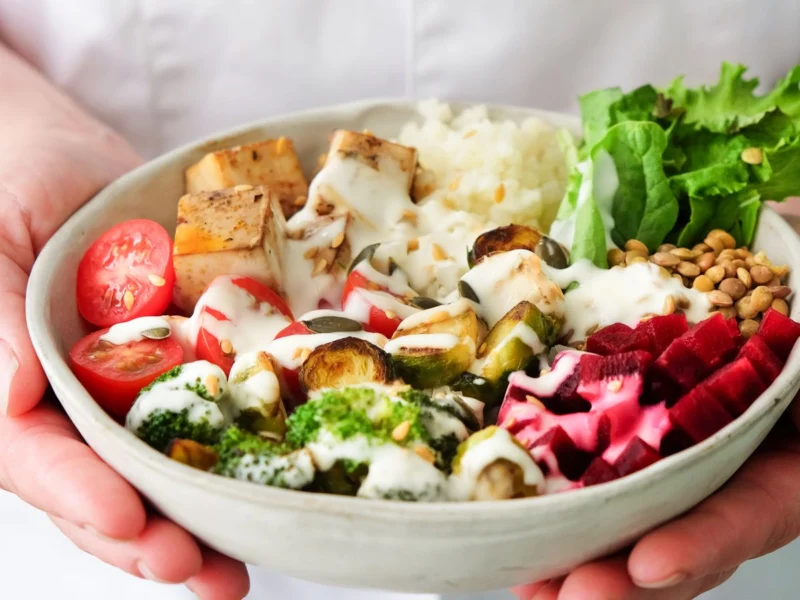
When creating a vegan pantry, start with essential staples that provide a strong foundation for a variety of meals. Whole grains such as brown rice, quinoa, and oats are versatile and can be the base for many dishes. Legumes like lentils, chickpeas, and black beans are excellent sources of protein and can be used in salads, soups, and stews, contributing to a balanced diet that supports your wellbeing as you navigate life with vitiligo.
In addition to grains and legumes, consider including a selection of canned or dried vegetables. Tomatoes, corn, and various beans can add flavour and nutrition to your meals with minimal preparation time. You may also want to stock up on frozen fruits and vegetables, which are convenient and retain their nutritional value. This variety not only makes cooking easier but also allows you to experiment with different flavours and textures.
Don’t forget about nuts and seeds, which can provide healthy fats and protein. Almonds, chia seeds, and walnuts are great additions to smoothies, salads, or as snacks. They can help you feel satisfied and nourished while also being gentle on your skin. By having a well-rounded selection of pantry staples, you can approach your meal planning with confidence and creativity.
Herbs and spices are essential for adding depth and interest to your meals without relying on heavy sauces or additives. Stocking your pantry with a variety of dried herbs like basil, oregano, and thyme, alongside spices such as cumin, paprika, and turmeric, can transform simple dishes into flavourful experiences. These ingredients are not just about taste; they can also contribute to your overall enjoyment of cooking and eating, especially important for those living with vitiligo.
Using fresh herbs when possible can elevate your meals even further. Consider growing your own herbs on a windowsill or in your garden for easy access. Fresh parsley, coriander, and mint can brighten up a dish and add a vibrant touch to your meals. This simple act of cooking with fresh ingredients can enhance your sense of wellbeing and connection to your food.
Experimenting with different combinations of herbs and spices can also keep your meals exciting, helping to reduce the stress of meal preparation. When you create dishes that are both healthy and enjoyable, you nurture your body and mind, fostering a positive relationship with food.
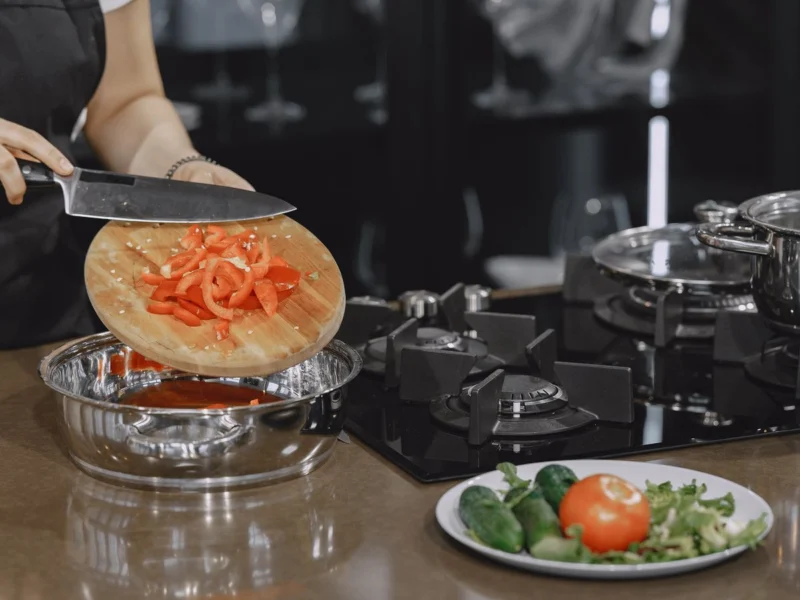
Having the right tools in your kitchen can make the cooking process smoother and less stressful. Basic utensils such as a good knife, cutting board, and measuring cups are essential. Consider investing in a sturdy blender or food processor, which can simplify tasks like making smoothies, soups, or sauces. These tools can help you create nutritious meals efficiently, supporting your daily routine with vitiligo.
Additionally, consider using meal planning resources or apps that allow you to organise your grocery lists and recipes. Planning your meals in advance can save time and reduce the stress of deciding what to cook each day. This structure can be especially beneficial for those managing the emotional aspects of living with vitiligo, as it allows for more mindful choices.
You might also find it helpful to explore online communities or cookbooks focused on vegan cooking. These resources can provide inspiration and ideas tailored to your lifestyle. Connecting with others who share similar dietary choices can foster a sense of community, which is invaluable as you navigate your journey with vitiligo.
Mindful eating is an important practice for everyone, but it can be particularly beneficial for those living with vitiligo. Taking the time to appreciate your meals can enhance your overall experience and help you develop a positive relationship with food. Focus on the flavours, textures, and colours of your meals to nurture your body and mind, making each eating experience more enjoyable and fulfilling.
As you prepare meals from your vegan pantry, aim to create a calm environment. This could involve setting the table nicely, playing gentle music, or even enjoying your meals outside when the weather permits. These small acts can transform your mealtime into a more peaceful ritual, which can be a soothing practice for managing the emotional aspects of living with vitiligo.
Incorporating gratitude into your meals can also enhance your wellbeing. Take a moment to appreciate the effort that goes into your food, from sourcing ingredients to the cooking process itself. Acknowledging these aspects can foster a sense of connection and satisfaction, which is particularly important when managing a long-term condition like vitiligo.
Creating and maintaining a supportive community is essential for anyone living with vitiligo. Sharing your cooking experiences with others can bring joy and help you feel connected. Whether it’s through social media, local groups, or friends and family, finding people who understand your journey can provide comfort and encouragement as you navigate daily life with vitiligo.
Consider hosting potlucks or cooking sessions where you can share vegan dishes with others. This not only allows you to showcase your culinary skills but also encourages conversations about food and health. These interactions can reinforce your confidence and provide a sense of belonging, which is crucial for emotional wellbeing.
The act of cooking and sharing meals can strengthen bonds and create a sense of community. By engaging with others who share similar dietary preferences or experiences with vitiligo, you can foster mutual support and understanding, helping everyone involved feel more empowered and uplifted.
A dermatologist can guide you in managing vitiligo and addressing specific skin concerns. Regular consultations with your GP can also help monitor your overall health and wellbeing.
This article offers general wellbeing information, not medical advice. For personal health concerns, speak with a qualified healthcare professional.
Discover the beauty of a plant-based diet with seasonal ingredients to support wellbeing while living with vitiligo.
Discover Tibetan vegetarian kitchen traditions, focusing on tsampa, barley, and seasonal vegetables, while embracing a healthy lifestyle with vitiligo.
Simple ideas for colourful vegetarian dinners: variety, mindful meal planning and hydration, written for everyday wellbeing with vitiligo.
Leave a Reply