Movement
Creating a Walking Routine for Vitality with Vitiligo
Explore the benefits of a mindful walking routine for those living with vitiligo, focusing on breath, pace, and wellbeing.
Explore gentle yoga postures and breathing techniques designed to support your wellbeing while living with vitiligo.
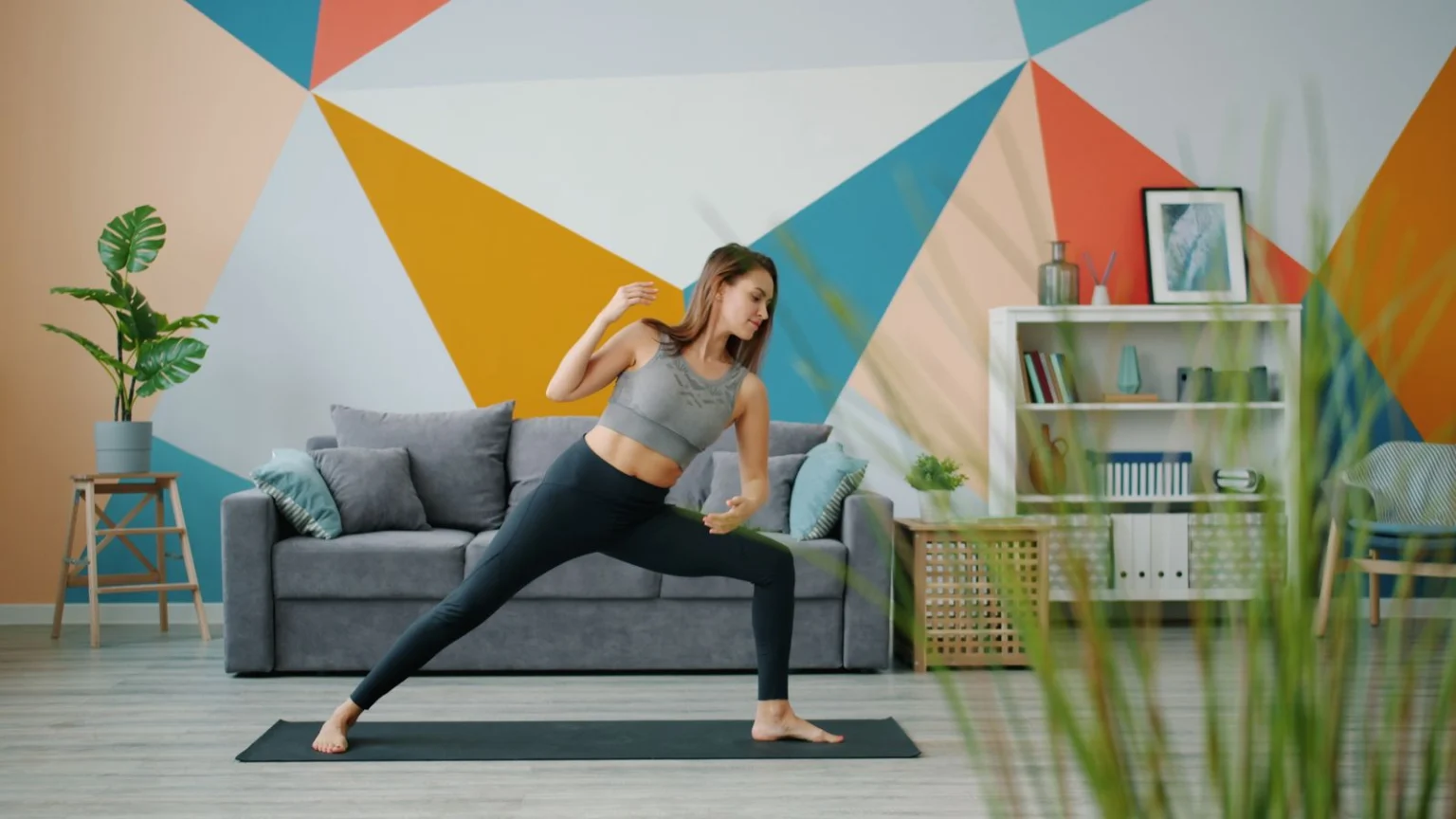
Living with vitiligo can present unique challenges, both physically and emotionally. As an autoimmune condition, it often requires individuals to develop coping strategies that foster calmness and stability in their daily lives. Gentle yoga can be an excellent way to enhance wellbeing while being mindful of the specific needs that come with vitiligo.
Yoga combines gentle movement with breath awareness, creating a holistic approach to health. Practicing yoga not only promotes physical flexibility and strength but also provides an opportunity for relaxation, helping to reduce stress and anxiety that may arise from living with vitiligo. This introduction will explore some foundational yoga postures and breathing techniques that can be easily incorporated into your routine.
Yoga offers a range of benefits that can be particularly useful for those living with vitiligo. The practice encourages mindfulness, helping individuals to connect with their bodies and emotions in a supportive environment. This connection can foster greater self-acceptance, which is essential when navigating the complexities of vitiligo.
Moreover, yoga can help manage stress, a common trigger for skin conditions, including vitiligo. By engaging in regular practice, individuals may find it easier to manage anxiety and cultivate a sense of calm. This supportive approach can be invaluable when dealing with the emotional aspects of living with vitiligo.
Additionally, incorporating gentle movement and breath work into your daily routine can enhance overall wellbeing. Improved flexibility and strength can contribute to better mobility, making daily activities more enjoyable and less physically taxing.
When beginning your yoga practice, it is essential to focus on postures that feel comfortable and accessible. Simple poses such as Cat-Cow, Child’s Pose, and Seated Forward Bend can be excellent starting points. These postures promote gentle stretching and help release tension in the body, making them well-suited for individuals living with vitiligo.
Cat-Cow, for instance, encourages movement of the spine while allowing for breath synchronization. This gentle flow can promote relaxation and help improve spinal flexibility. Similarly, Child’s Pose offers a restorative position that can provide a sense of safety and grounding, allowing you to reconnect with your breath and body.
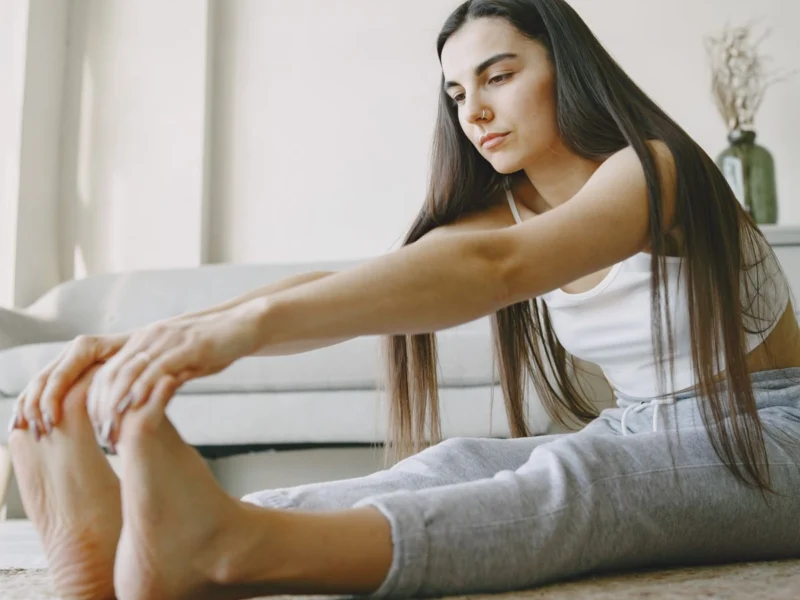
Seated Forward Bend can be particularly beneficial for calming the mind and stretching the hamstrings and lower back. It is vital to listen to your body and modify these postures as needed, ensuring that your practice remains supportive and nurturing.
Breath awareness is a fundamental aspect of yoga that can significantly enhance your practice. Learning to control your breath can promote relaxation and help reduce stress levels. Techniques such as diaphragmatic breathing can be easily integrated into your daily life, encouraging a sense of calm and focus.
To practice diaphragmatic breathing, find a comfortable seated position. Inhale deeply through your nose, allowing your abdomen to expand. Exhale slowly through your mouth, feeling your abdomen contract. This simple technique can be particularly effective in moments of stress or anxiety related to living with vitiligo.
As you become more comfortable with your breath, consider incorporating it into your yoga postures. Synchronising your breath with your movements can create a flowing, meditative experience that enhances your overall wellbeing.
Establishing a regular yoga practice can be beneficial for maintaining both physical and emotional health. Aim to create a routine that suits your lifestyle, whether it be a few minutes each day or longer sessions a few times a week. Consistency is key to reaping the benefits of yoga, especially when managing the challenges associated with vitiligo.
Consider setting aside a specific time for your practice, making it a dedicated part of your daily routine. This can help reinforce the habit and provide a sense of structure. Remember to start slowly and gradually increase the duration and intensity of your practice as you become more comfortable.
Additionally, joining a yoga class or an online community can provide support and encouragement. Connecting with others can foster a sense of belonging and help reduce feelings of isolation that can sometimes accompany living with vitiligo.
For individuals living with vitiligo, sun exposure can be a concern due to the sensitivity of depigmented skin. When practicing yoga outdoors, it is essential to be sun-aware. Seek shade whenever possible and consider wearing protective clothing to safeguard your skin from potential sun damage.
Using broad-spectrum sunscreen on exposed areas is also highly recommended. While engaging in yoga outside can be rejuvenating, it is important to balance this enjoyment with the necessary precautions to protect your skin.
Listening to your body and recognising your limits in both movement and sun exposure can help you maintain a positive relationship with your practice. Adapt your routine as needed to ensure your wellbeing remains a priority.
A dermatologist can provide guidance on managing vitiligo and suggest appropriate skincare routines. For specific concerns or treatment options, always consult your GP or dermatologist.
This article offers general wellbeing information, not medical advice. For personal health concerns, speak with a qualified healthcare professional.
Explore the benefits of a mindful walking routine for those living with vitiligo, focusing on breath, pace, and wellbeing.
Explore basic yoga balance poses that promote stability and focus, tailored for those living with vitiligo. Enhance your practice with gentle movements.
Gentle Tai Chi-inspired weight shifting for beginners with vitiligo: better balance and mobility, lower stress, and sun-aware tips for practising outdoors.
Leave a Reply